
This might be the richest, most comforting pasta dish you’ll ever make at home. Layers of tender noodles, savory beef and sausage Bolognese, and that silky béchamel come together magically in this Creamy Bolognese Lasagna Recipe. I can’t wait to walk you through every little step so your kitchen smells like Italy by dinnertime.

Jump to:
Why You'll Love This Recipe
I’ve made countless lasagnas over the years, but this Creamy Bolognese Lasagna Recipe has a special place in my heart—and on my dinner table. The balance of rich meat sauce and smooth béchamel sauce creates a flavor and texture that’s out of this world. Plus, it’s doable on a weeknight if you prep right!
- Richly layered flavors: The mix of ground beef, Italian sausage, pancetta, and a splash of red wine brings depth that makes every bite memorable.
- Silky béchamel sauce: This creamy white sauce adds a velvety smoothness that perfectly complements the hearty Bolognese.
- Simple assembly with no-boil noodles: No waiting around for sheets to cook means less stress and a fresh-from-the-oven meal faster.
- Make-ahead friendly: You can build it the day before and pop it in the oven when you’re ready—ideal for busy families or special occasions.
Ingredients & Why They Work
This dish thrives on quality ingredients that build layers of flavor and texture. From the savory meats to the delicate balance of spices, each component has a role. I always recommend fresh herbs and whole milk products if you can—they truly make the difference in richness.

- Ground beef: Provides a hearty base with plenty of protein and a nice texture that holds up well in layers.
- Italian sausage: Adds a wonderful spiced flavor and juiciness that complements the beef beautifully.
- Olive oil: For gently sautéing veggies and adding subtle fruitiness to the sauce.
- Yellow onion, carrot, and celery: Classic soffritto veggies that give natural sweetness and depth to the sauce.
- Pancetta (or prosciutto): Infuses a savory, slightly smoky flavor that elevates the sauce instantly.
- Garlic and thyme: Aromatics that brighten and add layers of herbal notes.
- Red wine (Pinot Noir): Creates complexity and tenderizes the meat for a richer sauce.
- Crushed tomatoes: The core of the sauce, providing acidity and sweetness.
- Bay leaves: Subtle earthy undertone to round out the flavor.
- Whole milk for Bolognese and béchamel: Adds creaminess and mellows acidity—don’t skip it!
- Butter and all-purpose flour: The building blocks of the béchamel’s silky texture.
- Nutmeg: Just a pinch adds warmth to the béchamel without overpowering the sauce.
- Oven-ready lasagna sheets: Save time and ensure perfectly cooked pasta without pre-boiling.
- Mozzarella cheese: Use whole milk shredded for a melty, gooey finish.
- Parmesan cheese: Adds sharpness and an umami kick to the top layer.
Make It Your Way
One of the best things about this Creamy Bolognese Lasagna Recipe is how easy it is to customize. I love swapping out the meats depending on what I have on hand or tweaking herbs to bring out different notes. Feel free to get creative—you can’t really go wrong.
- Variation: When I’m avoiding pork, I use ground turkey instead of sausage and it still delivers great flavor without losing that creamy texture.
- Seasonal twist: Add finely chopped mushrooms or roasted red peppers into the sauce to sneak in extra veggies and depth.
- Vegetarian option: Substitute a meatless Italian sausage or a hearty lentil ragù for a different but still satisfying spin.
- Spicy kick: Stir in a pinch of red pepper flakes with the garlic if you like your lasagna with a little heat.
Step-by-Step: How I Make Creamy Bolognese Lasagna Recipe

Step 1: Brown the Meat and Build the Flavor Base
Start by browning the ground beef and Italian sausage together in a large pot over medium-high heat. Break the meat up as it cooks, and watch for any excess moisture—it’s tempting to toss in everything at once, but draining excess liquid with a paper towel helps concentrate flavor and avoid a watery sauce. Set the cooked meat aside but don’t clean the pot; that browned goodness stuck at the bottom will add so much flavor.
Step 2: Sauté the Vegetables and Aromatics
Gently cook your diced onions, carrots, and celery in olive oil until tender and fragrant, about 6-8 minutes. Scrape up the brown bits from the pot as you stir—these little treasures build the flavor foundation. Then add the pancetta, letting it render out its fat, followed by garlic and thyme. The kitchen starts to smell incredible right about now!
Step 3: Deglaze and Simmer the Sauce
Pour in the red wine to deglaze the pot, stirring so those flavorful bits dissolve, then reduce it by half for a few minutes. Add crushed tomatoes, bay leaves, and your cooked meat back in. Season well with salt and pepper. Bring to a boil, then lower heat and simmer for 30-35 minutes partially covered. This step thickens the sauce beautifully—patience here really pays off.
Step 4: Finish the Bolognese with Milk
Once your sauce has thickened, stir in ½ cup of whole milk. It mellows the acidity and adds a pleasant silkiness. This little touch always surprises guests because it elevates the sauce’s richness without overwhelming it.
Step 5: Whip Up the Bechamel Sauce
While the Bolognese simmers, prepare your béchamel. Melt butter over medium-low heat and whisk in the flour, cooking just until it smells slightly nutty (about 3-4 minutes). Slowly add warm milk, whisking constantly to prevent lumps. It thickens as it heats—when it coats the back of a spoon and you can draw a clear line through it with your finger, you’re golden. Add salt, pepper, and a pinch of nutmeg to balance flavors.
Step 6: Assemble Your Lasagna Layers
Start with a thin layer of Bolognese on the bottom of your baking dish to keep noodles from sticking. Then layer oven-ready noodles, followed by more Bolognese, a generous ladle of béchamel, and a handful of shredded mozzarella. Repeat this stacking until you run out of ingredients, finishing with noodles fully covered by sauces and topped with mozzarella and plenty of parmesan. Ensuring your noodles are completely covered in sauce is key to avoid dry patches.
Step 7: Bake to Golden Perfection
Cover loosely with foil and bake at 375°F (190°C) for 30 minutes. Remove the foil and bake for 8 more minutes until bubbling. I like to finish it under the broiler for 1-2 minutes to get a golden, slightly crispy top—just keep an eagle eye on it so it doesn’t burn! Let rest for 15-20 minutes before slicing to help the layers set.
Top Tip
From my many lasagna experiments, I’ve learned a few key tricks that truly make the difference in nailing this Creamy Bolognese Lasagna Recipe. These tips will save you time and help your lasagna come out perfectly every time!
- Don’t skip the milk in the sauce: Adding milk at the end of the Bolognese softens acidity and adds richness you won’t believe until you taste it.
- Low and slow for the béchamel: Cook the roux gently over medium-low heat to avoid any graininess or burning — a smooth béchamel is worth the patience.
- Keep noodles covered: Oven-ready noodles need to be completely coated in sauce to soften properly, or they’ll be tough in the finished lasagna.
- Rest before serving: Giving the lasagna 15-20 minutes to set after baking makes slicing cleaner and helps flavors meld.
How to Serve Creamy Bolognese Lasagna Recipe

Garnishes
I personally love to finish my lasagna with a generous sprinkle of freshly grated Parmesan and a few torn basil leaves or a light dusting of dried oregano for that fresh aroma. Sometimes a drizzle of good quality extra virgin olive oil on top just before serving can add a lovely fruity note that brightens the richness.
Side Dishes
For sides, I usually keep it simple: a crisp green salad with tangy vinaigrette cuts through the richness brilliantly, and some garlic bread on the side is a must for soaking up every last bit of sauce. Roasted seasonal vegetables like asparagus or zucchini also complement the meal nicely.
Creative Ways to Present
For special occasions, I’ve layered this lasagna in individual ramekins or deep-dish muffin tins to create personal servings—perfect for a dinner party! Another idea is to add a layer of sautéed spinach or mushrooms for color and extra flavor. It’s always fun to get a little creative and make the presentation as wow-worthy as the taste.
Make Ahead and Storage
Storing Leftovers
Once cooled, I cover leftovers tightly and store them in the fridge for up to 3 days. Using an airtight container or wrapping the dish well helps keep the lasagna moist and flavorful.
Freezing
I often freeze unbaked portions by assembling the lasagna in freezer-safe containers. You can freeze it for up to 2 months—just defrost overnight in the fridge before baking, or bake straight from frozen, adding extra bake time. Portioning is great if you want to cook only what you need later.
Reheating
Reheat leftovers in the oven at 350°F (175°C) until warmed through to keep the top from getting soggy and melt the cheese nicely. The microwave works too if you’re in a hurry, but oven reheating preserves the texture best.
Frequently Asked Questions:
Absolutely! The sauces can be made a day or two ahead and refrigerated. Then assemble the lasagna right before baking. You can also assemble it fully in advance and bake it from cold, just add a bit of extra baking time.
Ground pork, ground turkey, or even a mix of beef and bacon can work as excellent substitutes for Italian sausage. Just adjust seasonings if needed since sausage usually adds a spiced note.
You can use regular dried or fresh lasagna noodles, but you will need to boil them before assembling, following the package instructions. Oven-ready sheets are a great convenience for saving time and preventing overcooked or mushy pasta.
The béchamel should be smooth, thick enough to coat the back of a spoon, and when you run your finger through the sauce on the spoon, it should hold a clear line. It shouldn’t be lumpy or too runny, which means you need to cook it a little longer or adjust milk quantity.
Final Thoughts
This Creamy Bolognese Lasagna Recipe is one of those recipes I keep coming back to because it brings people together around the table with smiles and second helpings. It’s a labor of love—the slow-simmered sauce and creamy béchamel create a dish that’s both rustic and elegant. I hope you enjoy making it as much as I do, and I’m confident it’ll become a favorite in your home too. So tie on your apron, and let’s make some magic in the kitchen!
Print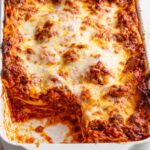
Delicious Recipe
- Prep Time: 45 minutes
- Rest Time: 15 minutes
- Cook Time: 40 minutes
- Total Time: 1 hour 25 minutes
- Yield: 8 servings
- Category: Main Course
- Method: Baking
- Cuisine: Italian
- Diet: Low Lactose
Description
Classic Lasagna Bolognese features layers of rich, slow-simmered meat sauce and creamy béchamel, combined with oven-ready pasta sheets and melted mozzarella for a comforting Italian main dish that's perfect for family dinners.
Ingredients
Bolognese Sauce
- 1 pound ground beef
- ½ pound Italian sausage - casings removed
- Olive oil, as needed
- 1 medium yellow onion, finely diced
- 1 large carrot, peeled and finely diced
- 1 stalk celery, finely diced
- 2 ounces finely diced pancetta or prosciutto
- 5 to 6 cloves fresh garlic, minced
- 3 teaspoons fresh thyme leaves or 1 teaspoon dried Italian seasoning
- ¾ cup red wine (Pinot Noir)
- 3 cans (14-ounce each) crushed tomatoes
- 2 bay leaves (dried or fresh)
- Salt and pepper to taste
- ½ cup whole milk, plus more to taste
Béchamel Sauce
- ½ cup unsalted butter
- ½ cup all-purpose flour
- 4 ½ cups whole milk, plus more as needed
- A pinch of grated or ground nutmeg
- Salt and pepper to taste
To Assemble the Lasagna
- 1 (9-ounce) box oven-ready lasagna sheets (Barilla brand recommended)
- 1 pound whole milk shredded mozzarella cheese
- ½ cup freshly grated parmesan cheese, plus more for serving
Instructions
- Preheat Oven: Preheat your oven to 375 degrees Fahrenheit to get ready for baking the assembled lasagna.
- Make the Bolognese Sauce: In a large 6-quart pot over medium-high heat, cook the ground beef and Italian sausage, breaking up the meat, for 6 to 8 minutes until browned and cooked through. Remove meat and set aside. In the same pot, add olive oil if needed and cook diced onions, carrots, and celery over medium heat for 6 to 8 minutes until softened, scraping the pot to release browned bits. Add pancetta and cook for a few minutes to render fat. Stir in garlic and thyme, cooking another 2 minutes until fragrant. Pour in red wine, scraping the bottom to deglaze, and simmer until reduced by half. Add crushed tomatoes, bay leaves, and return cooked meat to the pot. Season with salt and pepper. Bring to boil then reduce to simmer for 30 to 35 minutes with lid partially covered to thicken. Finish by stirring in ½ cup whole milk for richness.
- Make the Béchamel Sauce: While bolognese simmers, melt butter in a medium pot over medium-low heat. Whisk in the flour and cook for 3 to 4 minutes until nutty in aroma, stirring constantly. Gradually add milk, whisking to avoid lumps. Heat until the sauce thickens and coats the back of a spoon. Season with salt, pepper, and a pinch of nutmeg. Adjust consistency with extra milk if needed.
- Assemble the Lasagna: In a 9×13 inch baking dish, spread a thin layer of bolognese sauce. Place a single layer of oven-ready lasagna sheets on top. Add 2 to 3 ladles of bolognese, then 2 to 3 ladles of béchamel sauce, and sprinkle with shredded mozzarella. Repeat layering three more times. For the final layer, place three sheets of lasagna fully covered with remaining sauces, a thin layer of mozzarella, and sprinkle ½ cup grated parmesan. Ensure pasta sheets are completely covered with sauce for proper cooking.
- Bake the Lasagna: Cover the dish loosely with aluminum foil and place on a sheet pan to catch spills. Bake for 30 minutes at 375 degrees Fahrenheit. Remove foil and bake uncovered for an additional 8 minutes until bubbly and cheese melts. Broil for 1 to 2 minutes until the top is golden brown and crisp; watch carefully to avoid burning.
- Rest and Serve: Let the lasagna cool for 15 to 20 minutes before slicing. Serve warm with extra parmesan cheese if desired and enjoy your rich, comforting meal.
Notes
- Use oven-ready lasagna sheets for convenience. If using regular sheets, boil according to package instructions before assembling.
- Ensure all lasagna sheets are fully coated in sauce to ensure proper cooking and prevent dryness.
- Use whole milk shredded mozzarella for better melting and creamier texture compared to part-skim varieties.
- The bolognese sauce should be thick but not dry; simmer with the lid partially open to allow moisture to escape and concentrate flavors.
- The béchamel sauce is ready when it coats a spoon thoroughly and holds its shape when you run your finger through it.
- Make ahead tip: Prepare sauces in advance and assemble the lasagna. Refrigerate covered overnight. Bake as directed, adding a few extra minutes if baking directly from chilled.
- Freezing tip: Freeze unbaked assembled lasagna for up to 2 months. Thaw overnight before baking or bake frozen with additional time. Portioning before freezing helps quicker cooking.
- Store leftovers in an airtight container in the refrigerator for up to 3 days. Reheat in a 350-degree oven until warmed through or use a microwave for convenience.
- Meat substitutions include ground pork or ground turkey. Pancetta can be replaced with diced bacon or prosciutto. Fresh thyme can be swapped with 1 teaspoon dried Italian seasoning.
Nutrition
- Serving Size: 1 slice (about ⅛th of recipe)
- Calories: 550 kcal
- Sugar: 10 g
- Sodium: 520 mg
- Fat: 30 g
- Saturated Fat: 14 g
- Unsaturated Fat: 12 g
- Trans Fat: 0.5 g
- Carbohydrates: 35 g
- Fiber: 4 g
- Protein: 32 g
- Cholesterol: 110 mg




Leave a Reply