
There’s something so comforting about a classic casserole that feels like a big warm hug on a plate. This Easy Tuna Noodle Casserole Recipe blends creamy cheese, tender pasta, and flaky tuna with a golden, crunchy topping that always hits the spot—perfect for family dinners or anytime you want simple but satisfying food.

Jump to:
Why You'll Love This Recipe
This Easy Tuna Noodle Casserole Recipe is one of those dishes I keep coming back to because it’s straightforward, hearty, and uses staples you probably already have. Plus, it’s the kind of comfort food that tastes even better the next day, making it a real winner for busy weeknights.
- Simple Ingredients: You don’t need anything fancy—just everyday pantry items combined beautifully.
- Velvety Sauce: The creamy Dijon cheese sauce adds a tangy richness that’s anything but boring.
- Textured Topping: Crispy panko breadcrumbs and Parmesan create a golden crust that contrasts perfectly with the soft casserole underneath.
- Kid-Approved Comfort: Tuna and peas sneak in some nutrition while still appealing to picky eaters.
Ingredients & Why They Work
The beauty of this Easy Tuna Noodle Casserole Recipe lies in the harmony of its ingredients. Each one plays an important role: the pasta acts as the hearty base, the sauce brings creaminess and flavor, and the crunchy topping adds that crave-worthy finish. Whether you’re shopping or raiding your pantry, these ingredients come together with ease.

- Shell pasta: I love shells for this because they hold onto the sauce perfectly, but any small pasta shape works.
- Unsalted butter: Gives depth without overpowering the flavors, plus controls the saltiness.
- Celery: Adds a subtle crunch and a fresh contrast to the creamy sauce.
- Shallots: These bring a mild, sweet onion flavor that’s less sharp—great in creamy casseroles.
- Garlic: Just a bit to enhance the savory notes.
- Flour: Thickens the sauce into that luscious coating you want around the noodles.
- Dijon mustard: A little tang and complexity that makes the sauce stand out.
- Low sodium chicken broth: Keeps the sauce flavorful without becoming too salty.
- Milk: Warmed to help with a smooth sauce—cold milk can clump!
- Cheddar cheese: Sharp and melty, it’s the heart of that creamy sauce.
- Tuna in water: Drain it well to avoid watery casserole, and flake gently for good texture.
- Frozen peas: Sweet pops of color and nutrition that blend in perfectly.
- Panko breadcrumbs: For that irresistible crispy topping—don’t skip it!
- Olive oil or melted butter: Mix into the panko for browning and flavor.
- Parmesan cheese: Adds a salty kick and crunch on top of the panko.
- Flat leaf parsley: Freshness and color for garnish that brightens the dish.
Make It Your Way
I love making this Easy Tuna Noodle Casserole Recipe my own by switching up veggies or cheese depending on what I have. It’s a forgiving recipe that adapts well without losing that classic comfort flavor you want.
- Variation: One of my favorite tweaks is adding sautéed mushrooms or diced bell peppers for extra depth—you’d never know you were eating such a simple dish.
- Dairy-Free Option: I’ve used a plant-based milk and dairy-free cheese on occasion, and while it’s slightly different, it’s still tasty and creamy.
- Spicy Kick: If you like heat, try stirring in a pinch of cayenne or smoked paprika with the cheese sauce.
- Gluten-Free: Use gluten-free pasta and substitute the flour with cornstarch for thickening, and switching to gluten-free breadcrumbs keeps it safe for celiac diets.
Step-by-Step: How I Make Easy Tuna Noodle Casserole Recipe

Step 1: Prep the Topping for Crispy Goldenness
Start by combining the panko breadcrumbs, olive oil or melted butter, and Parmesan cheese in a small bowl. I like to mix it well so every crumb gets coated—this helps it toast evenly in the oven and delivers that perfect crunchy finish. Set this aside for later.
Step 2: Cook the Pasta Just Right
Boil your shell pasta for about 1 to 2 minutes less than the package directions say for al dente—since the casserole will continue cooking in the oven, you don’t want mushy noodles. Once drained, set aside; this little extra care really pays off in texture.
Step 3: Sauté the Veggies for Flavor Base
Melt a tablespoon of butter in a 12-inch skillet over medium-high heat, then add the diced shallots, celery, garlic, and a pinch of salt and pepper. Cook for 2 to 3 minutes until everything softens and the aroma fills your kitchen. This step flavors the sauce beautifully.
Step 4: Make the Creamy Cheese Sauce
Add the remaining two tablespoons of butter, let it melt, and sprinkle the flour evenly on top. Stir constantly so the flour cooks without clumping—watch for when the flour disappears and you see no white streaks. Then mix in the Dijon mustard for a subtle tang.
Slowly whisk in the warm chicken broth and milk, pouring gradually to avoid lumps. Bring it up to a simmer and keep whisking until it thickens just enough to coat the back of a spoon. Lower the heat and stir in the shredded cheddar cheese until silky and melted.
Step 5: Combine the Casserole & Bake
Fold in the cooked pasta, drained tuna, and frozen peas gently into the sauce until everything is evenly coated. Spread the mixture in the skillet (or an oven-safe casserole dish if you prefer). Sprinkle the panko breadcrumb topping evenly across the surface.
Bake at 350°F for about 25 minutes until bubbling and the topping is toasted golden brown. Let it rest for a few minutes before serving—this makes slicing and serving easier.
Top Tip
From countless times making this casserole, I can tell you a few tricks that changed everything for me—simple tweaks that make your dish come out just right every time.
- Don’t Overcook Pasta: Leaving your pasta slightly undercooked prevents the casserole from turning mushy as it bakes—trust me, I learned this the hard way once and almost ruined a whole batch!
- Warm the Milk: Adding warm milk, not cold, helps keep your sauce smooth—lumps are a bummer, but this step saves you.
- Drain Tuna Well: Excess water from canned tuna can water down your sauce; drain and press gently for the best texture.
- Even Topping Spread: Spread the panko topping in a thin, even layer so it crisps uniformly instead of burning in spots.
How to Serve Easy Tuna Noodle Casserole Recipe

Garnishes
I usually sprinkle some fresh flat-leaf parsley on top right before serving—it adds a bright color and lifts the flavors wonderfully. Sometimes, a little extra Parmesan dusted on after baking makes it feel extra special.
Side Dishes
My favorite sides here are simple—like a crisp green salad dressed with lemon vinaigrette or some roasted broccoli to balance the richness of the casserole with fresh, crunchy veggies.
Creative Ways to Present
For special occasions or casual dinners with friends, I love scooping this casserole into small ramekins or individual cast-iron skillets for a cozy, personalized touch. Adding a sprinkle of finely chopped chives or a small dollop of sour cream can turn this humble dish into a mini gourmet treat.
Make Ahead and Storage
Storing Leftovers
After leftovers cool to room temperature, I transfer the casserole to an airtight container and keep it in the fridge. It stays good up to 4 days, which is great for quick lunches or reheated dinners during a busy week.
Freezing
I’ve frozen this casserole successfully a few times—just be sure to let it cool completely, then cover tightly with foil or a freezer-safe lid. When you thaw and bake it later, it comes out almost as good as fresh, though the topping might lose a bit of crispness.
Reheating
To reheat, I prefer the oven because it keeps that crunchy top intact. Cover loosely with foil and warm at 350°F until heated through (about 15-20 minutes), then uncover near the end to let the topping crisp back up.
Frequently Asked Questions:
Absolutely! While shell pasta is great at holding the sauce, you can also use elbow macaroni, rotini, or even penne. Just be sure to cook the pasta slightly under al dente since it continues cooking in the oven.
The key is to drain the canned tuna very well and cook the pasta just shy of al dente. Also, simmer the sauce long enough to thicken before mixing in the tuna and pasta. These steps make sure your casserole isn’t watery.
Yes! You can prepare the casserole up to the point of adding the topping and baking. Cover it tightly and refrigerate for up to 24 hours before baking. Add the breadcrumb topping before popping it into the oven for best results.
You can try using dairy-free cheese alternatives and plant-based milk to make the sauce. Nutritional yeast is also a great option to add cheesy flavor if you’re avoiding dairy. The texture will be slightly different but still tasty!
Final Thoughts
This Easy Tuna Noodle Casserole Recipe holds a special place on my table—it’s like rediscovering a comforting hug every time I make it. It’s approachable, forgiving, and packed with familiar flavors that just make you feel good. I promise, once you try it, you’ll want to keep it in your weeknight rotation, too. Give it a go, and enjoy the warm smiles it brings around your dinner table!
Print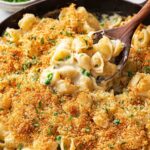
Easy Tuna Noodle Casserole Recipe
- Prep Time: 15 minutes
- Cook Time: 45 minutes
- Total Time: 1 hour
- Yield: 6 servings
- Category: Main Course
- Method: Baking
- Cuisine: American
Description
This Tuna Noodle Casserole is a comforting and classic dish featuring tender shell pasta, savory tuna, and a creamy cheese sauce topped with a crispy panko and parmesan crust. Perfect for an easy weeknight dinner, it combines simple ingredients with rich flavors for a satisfying meal.
Ingredients
Topping
- ⅓ cup panko breadcrumbs
- 1 tablespoon olive oil or melted butter
- ¼ cup shredded parmesan cheese
- Flat leaf parsley for garnish
Tuna Casserole
- 8 ounces shell pasta
- 3 tablespoons unsalted butter, divided
- ½ cup diced celery
- ½ cup diced shallots
- 1 clove garlic, grated or minced
- 3 tablespoons flour
- 1 tablespoon dijon mustard
- 2 cups low sodium chicken broth
- 1 cup milk, warmed
- 1 ½ cups shredded cheddar cheese
- 2 (5 ounce) cans tuna in water, drained
- 1 cup frozen peas
Instructions
- Prepare topping: Combine ⅓ cup panko breadcrumbs, 1 tablespoon olive oil or melted butter, and ¼ cup shredded parmesan cheese in a small bowl. Set aside for later use.
- Preheat oven: Set your oven to 350° F (175° C) to preheat while you prepare the casserole.
- Cook pasta: Boil water and cook 8 ounces shell pasta for 1-2 minutes less than al dente. Drain the pasta and set aside, as it will continue cooking in the oven.
- Sauté vegetables: Melt 1 tablespoon of unsalted butter in a 12-inch skillet over medium-high heat. Add ½ cup diced shallots, ½ cup diced celery, 1 clove grated or minced garlic, salt, and pepper to taste. Sauté for 2-3 minutes until the vegetables soften.
- Make roux and sauce: Add the remaining 2 tablespoons of unsalted butter to the skillet and allow it to melt. Sprinkle 3 tablespoons flour evenly over the veggies and stir constantly until the flour is fully absorbed and there are no white streaks. Stir in 1 tablespoon dijon mustard. Slowly pour in 2 cups low sodium chicken broth and 1 cup warmed milk while whisking continuously to avoid lumps. Bring the sauce to a gentle simmer and whisk until it thickens slightly.
- Add cheese and combine: Reduce heat to low and whisk in 1 ½ cups shredded cheddar cheese until melted and smooth. Then add the cooked pasta, 2 cans (5 ounces each) drained tuna, and 1 cup frozen peas. Stir until everything is evenly coated in the creamy sauce.
- Assemble and bake: Spread the casserole mixture evenly in the skillet if not already combined in one safe-for-oven pan. Sprinkle the prepared panko topping evenly over the casserole. Place the skillet in the preheated oven and bake for 25 minutes until the casserole is bubbly and the panko topping turns golden brown.
- Serve: Remove from oven, garnish with flat leaf parsley, and serve immediately while hot.
Notes
- The casserole can be stored in an airtight container in the refrigerator for up to 4 days.
- You can substitute frozen peas with canned or fresh peas if preferred.
- Use olive oil instead of butter in the topping for a lighter option.
- For a gluten-free version, substitute all-purpose flour with a gluten-free flour blend and use gluten-free pasta and panko breadcrumbs.
- Make sure to not overcook the pasta during boiling as it will continue to cook during baking, preventing it from becoming mushy.
Nutrition
- Serving Size: 1 serving
- Calories: 420 kcal
- Sugar: 4 g
- Sodium: 540 mg
- Fat: 18 g
- Saturated Fat: 8 g
- Unsaturated Fat: 8 g
- Trans Fat: 0 g
- Carbohydrates: 40 g
- Fiber: 3 g
- Protein: 28 g
- Cholesterol: 65 mg


Leave a Reply