
There’s something so satisfying about those perfectly savory, slightly sweet noodles you get at hibachi grills — and you can make that magic happen right at home. This Hibachi Noodles Recipe delivers that authentic flavor punch with simple ingredients and straightforward steps, giving you comforting, restaurant-style noodles any day of the week.

Jump to:
Why You'll Love This Recipe
This Hibachi Noodles Recipe has won a permanent spot in my weeknight rotation because it’s just so easy to pull off and tastes like you’ve spent hours perfecting it. Plus, it’s flexible — you can tweak it to your taste or what’s in your fridge!
- Simple, accessible ingredients: No need for hard-to-find sauces or fancy tools.
- Quick to prepare: Perfect for busy nights when you want something hearty but fast.
- Customizable flavor: Adjust savory, sweet, or garlicky levels to suit your cravings.
- Authentic texture: The slight caramelization on the noodles brings that takeout vibe to your own kitchen.
Ingredients & Why They Work
The magic of this Hibachi Noodles Recipe lies in the balance of simple flavors and textures. Each ingredient plays a role in building that signature taste and mouthfeel—once you know why they work, you’ll be tempted to experiment with your own twists!

- Yakisoba, lo mein, or spaghetti noodles: Yakisoba or lo mein noodles are ideal for authenticity, but spaghetti works great in a pinch; just don’t overcook them.
- Low-sodium soy sauce: Gives the salty umami foundation without overpowering, and low sodium lets you control saltiness better.
- Sesame oil: Adds a toasty, nutty aroma that screams hibachi finesse—don’t skip or substitute this one!
- Light brown sugar: Balances savory elements with just a touch of sweetness and helps create that glossy finish on the noodles.
- Minced garlic & minced ginger: These fresh aromatics bring brightness and warmth, essential in hibachi flavor profiles.
- Unsalted butter: Creates a rich, luxurious base and helps the noodles gain slight crispiness when cooked.
- Toasted sesame seeds (garnish): Adds crunch and an additional nuttiness you’ll love when sprinkled on top.
Make It Your Way
One of the things I love most about this Hibachi Noodles Recipe is how easy it is to personalize. I often throw in whatever veggies or protein I have on hand, turning it into a quick one-pan meal that feels special every time.
- Variation: Sometimes I sauté sliced mushrooms, bell peppers, or snap peas and toss them in with the noodles for extra color and crunch.
- Diet-friendly swaps: Use gluten-free tamari soy sauce and rice noodles if you want to keep it gluten-free without losing flavor.
- Heat it up: Add chili flakes or sriracha for a spicy hibachi twist.
- Protein boost: Grilled chicken, shrimp, or tofu are great additions to bulk up the meal.
Step-by-Step: How I Make Hibachi Noodles Recipe

Step 1: Perfect Your Noodle Texture
Start by cooking your noodles just shy of fully soft—aim for al dente or just before. This way, they’ll hold up during the stir-fry and soak up all those saucy flavors without turning mushy. I usually set a timer and do a test bite so I get this just right.
Step 2: Whisk Your Sauce
While the noodles cook, whisk together the soy sauce, sesame oil, brown sugar, garlic, and ginger. This combination marries salty, sweet, and aromatic elements that define the hibachi style—accuracy here makes a difference!
Step 3: Get That Perfect Sear
Melt your butter in a large nonstick skillet over medium-high heat. When it’s shimmering, toss in the noodles and spread them out to maximize contact with the pan. This step creates those slight golden edges I adore—it adds texture and rich flavor that’s hard to beat.
Step 4: Add Sauce & Finish Cooking
Pour your sauce over the noodles and toss well to coat every strand evenly. Let it cook for another 2 to 3 minutes so the sauce thickens slightly and clings to the noodles. I usually keep tossing gently to avoid sticking or burning—just watch your heat!
Step 5: Garnish and Serve
Finish it off with a generous sprinkle of toasted sesame seeds for that final nuttiness and crunch. Serve immediately and watch your family or guests dig in before you can even get a bite!
Top Tip
Over time, I’ve learned that the secret to this Hibachi Noodles Recipe’s success lies in controlling heat and timing. These tips can help even beginners nail the perfect batch every time.
- Don’t overcook noodles: Remember they’ll cook a bit more in the pan, so undercooking slightly on the boil means perfect texture later.
- Medium-high heat is key: Too low and you won’t get that caramelization; too high and butter burns. I keep a close eye here.
- Toss gently but frequently: This avoids sticking and spreads the sauce evenly without breaking noodles.
- Use a large skillet or wok: Crowding the pan steams the noodles instead of giving them that signature light crisp.
How to Serve Hibachi Noodles Recipe

Garnishes
I usually stick to toasted sesame seeds because they add just the right crunch and nutty note. But if I’m feeling fancy, I toss on some chopped scallions or thinly sliced red chili for color and mild heat — it truly livens up the dish.
Side Dishes
Hibachi noodles go wonderfully with simple hibachi staples like grilled vegetables—think zucchini, mushrooms, and onions—or a light Asian-inspired cucumber salad to cut through the richness. I also like pairing it with teriyaki chicken or shrimp for a complete meal.
Creative Ways to Present
For special dinners, I plate the noodles in a neat mound and drizzle a little extra sesame oil over the top just before serving. Adding a small sprinkle of crispy fried garlic chips elevates it visually and flavor-wise—trust me, it’s a crowd-pleaser.
Make Ahead and Storage
Storing Leftovers
I usually store leftover hibachi noodles in an airtight container in the refrigerator for up to 3 days. To keep them from sticking together, I toss the noodles with a tiny splash of sesame oil before sealing—this little trick really helps preserve texture.
Freezing
I haven’t frozen hibachi noodles much, mainly because the texture changes a bit after thawing. If you need to, freeze without sauce and add fresh sauce when reheating, but fresh always tastes best here in my opinion!
Reheating
Reheat gently in a skillet over medium heat with a splash of water or soy sauce to refresh the noodles. Stir frequently to warm evenly without drying out. Microwave works in a pinch but toss halfway through for best results.
Frequently Asked Questions:
Absolutely! You can omit butter and use a plant-based alternative, plus make sure to use vegan-friendly soy sauce. Adding tofu or just veggies makes a delicious meat-free version.
Traditional yakisoba or lo mein noodles are perfect, but spaghetti is a great substitute if you don’t have those on hand. Just be sure not to overcook them to keep the right texture.
Yes! Cook and cool the noodles ahead, then refrigerate in an airtight container. Reheat them in a skillet with a bit of butter or oil, then add sauce just before serving for best results.
Cooking the noodles in butter over medium-high heat without overcrowding the pan allows the edges to get a light golden sear. Resist stirring too frequently to let those edges form, which adds flavor and texture.
Final Thoughts
This Hibachi Noodles Recipe has become one of my favorite quick meals to whip up when I want something flavorful and satisfying without fuss. It’s the kind of dish you can tailor any way you like, yet always comes out tasting like a treat from your favorite hibachi spot. Give it a try—I’m betting it’ll become a regular in your kitchen, too.
Print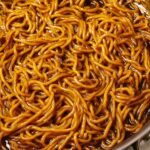
Hibachi Noodles Recipe
- Prep Time: 15 minutes
- Cook Time: 20 minutes
- Total Time: 35 minutes
- Yield: 4 servings
- Category: Main Course
- Method: Stovetop
- Cuisine: Japanese
Description
A flavorful and easy-to-make Hibachi Noodles recipe featuring yakisoba or lo mein noodles tossed in a savory soy-ginger sauce, perfect as a side or main dish inspired by traditional Japanese hibachi cooking.
Ingredients
Noodles
- 1 lb yakisoba, lo mein, or spaghetti
Sauce
- ½ cup low-sodium soy sauce
- 1 tablespoon sesame oil
- 2 tablespoons packed light brown sugar
- 1 tablespoon minced garlic
- 1 tablespoon minced ginger
For Cooking and Garnish
- 2 tablespoons unsalted butter
- 1 tablespoon toasted sesame seeds (for garnish)
Instructions
- Prepare the noodles: Cook the yakisoba, lo mein, or spaghetti noodles just before completely soft or al dente. They should still have a slight bite. Drain the noodles and set them aside.
- Make the sauce: In a bowl, whisk together the low-sodium soy sauce, sesame oil, light brown sugar, minced garlic, and minced ginger until well combined.
- Cook the noodles: Heat a large nonstick skillet over medium-high heat and add the unsalted butter. Once melted, add the drained noodles and cook them to get a slight coloring, stirring occasionally to prevent sticking.
- Toss with sauce: Pour the prepared sauce over the noodles and toss thoroughly to coat. Continue cooking for another 2 to 3 minutes to allow the sauce to meld with the noodles and enhance the flavors.
- Garnish and serve: Remove from heat and garnish with toasted sesame seeds. Serve immediately and enjoy your delicious Hibachi Noodles!
Notes
- Using yakisoba or lo mein noodles provides the most authentic texture and flavor, but spaghetti is a good substitute if unavailable.
- Adjust the soy sauce amount to control the saltiness according to your taste.
- Add vegetables like sliced bell peppers, onions, or mushrooms for extra nutrition and flavor.
- For a spicier dish, add a teaspoon of chili flakes or Sriracha to the sauce.
- To keep noodles from sticking before cooking, toss them lightly with a little oil after draining.
Nutrition
- Serving Size: 1 serving
- Calories: 350 kcal
- Sugar: 6 g
- Sodium: 600 mg
- Fat: 12 g
- Saturated Fat: 5 g
- Unsaturated Fat: 6 g
- Trans Fat: 0 g
- Carbohydrates: 50 g
- Fiber: 3 g
- Protein: 8 g
- Cholesterol: 15 mg




Leave a Reply