
Nothing beats the soothing comfort of a steaming bowl on a chilly day, and this Homemade Chicken Ramen Soup Recipe hits all the right notes—rich broth, tender chicken, and that delightfully chewy noodle bite. Trust me, once you try this, you’ll want to make it again and again.

Jump to:
Why You'll Love This Recipe
I have to say, this Homemade Chicken Ramen Soup Recipe quickly became one of my go-to comfort meals. It’s simple enough for a weeknight but feels special enough to share with family or friends over a relaxed dinner. Plus, making ramen at home means you control every flavor and ingredient.
- Rich, homemade broth: Using chicken thighs and shiitake mushrooms creates deep, savory flavors without any complicated steps.
- Customizable toppings: From soft-boiled eggs to crunchy bok choy and sesame seeds — add what you love.
- Quick and approachable: You don’t need a ton of exotic ingredients or hours of simmering to get restaurant-quality ramen.
- Hands-on and fun: Preparing everything yourself means you get to enjoy the whole cooking process, not just the eating.
Ingredients & Why They Work
Each ingredient in this Homemade Chicken Ramen Soup Recipe plays a special role, building layers of flavor and texture. I’ve found that fresh shiitake mushrooms and baby bok choy make the broth hearty and vibrant, while the ramen seasoning packets add that nostalgic umami kick.

- Baby bok choy: Cutting it lengthwise lets the flavors soak through, and washing it thoroughly ensures no grit ends up in your bowl.
- Instant ramen noodles: Don’t let the “instant” label fool you—these noodles cook fast and soak up the broth perfectly.
- Eggs: Soft or hard-boiled, they add richness and a creamy texture that feels luxurious in every bite.
- Neutral oil: Helps to sear the chicken perfectly without overwhelming flavor, letting the natural juices shine.
- Chicken thighs: Tender and juicy, they bring both protein and a deep savoriness to the soup base.
- Ginger and garlic: Classic aromatics for warmth and depth — I always grate them fresh for maximum punch.
- Shiitake mushrooms: Woody, earthy mushrooms add umami and a meaty texture.
- Chicken broth: The heart of the soup — using a good quality broth means you can skip the hassle of stock-making.
- Soy sauce: For seasoning, balancing saltiness and depth.
- Dashi powder or white miso paste: Optional but highly recommended for upping the umami factor — dashi gives clarity, miso adds a creamy twist.
- Corn, sesame seeds, sesame oil, green onion: These toppings provide bursts of sweetness, nuttiness, and freshness that make every spoonful exciting.
Make It Your Way
This Homemade Chicken Ramen Soup Recipe is super adaptable. I often switch up toppings or adjust the broth to my mood—sometimes a little extra garlic, other times a splash more soy sauce. It’s all about making it feel like your own bowl of cozy.
- Vegetarian variation: Swap chicken broth with mushroom broth and add tofu or extra shiitake mushrooms—I’ve done this and still got plenty of satisfying umami.
- Spicy twist: Throw in some chili oil or a spoonful of sambal oelek for heat. I like this version on rainy days when I want a little kick.
- Richer broth: Adding both dashi powder and white miso paste gives the broth a deliciously nutty, complex flavor that I can’t resist.
- Fresh noodles: If you find fresh ramen noodles at an Asian market, definitely give those a try for the ultimate noodle experience.
Step-by-Step: How I Make Homemade Chicken Ramen Soup Recipe

Step 1: Prepare Your Bowls and Veggies
First things first: grab four large bowls for serving, and set them nearby. Fill a medium bowl with ice water for cooling the eggs later. Then, bring a large pot of water to a boil and blanch your baby bok choy for 2-3 minutes. I find this keeps them tender but bright green, perfect for that fresh crunch in the soup.
Step 2: Cook Noodles and Eggs
Using the same boiling water (it’s okay if it looks a bit cloudy), cook your ramen noodles until just al dente, then drain and divide into your waiting bowls. Next, gently drop your eggs into the pot: 8 minutes for soft yolks, 10 if you want them a little more firm. Transfer eggs to the ice water and let them chill for at least 10 minutes before peeling.
Step 3: Sear the Chicken
Dump out the water and give your pot a rinse. Heat up some neutral oil over medium-high heat and season your chicken thighs with the ramen seasoning packets. Sear the chicken for about 3-4 minutes per side until cooked through and beautifully browned. Cover with foil to keep warm while you make the broth — juicy chicken is key!
Step 4: Build the Broth
In the same pot, toss in minced ginger and garlic, letting them soften and smell amazing for about a minute. Add sliced shiitake mushrooms and sauté for two more minutes. Pour in the chicken broth, then stir in the optional dashi powder or miso paste if you’re using them. Cover and let simmer until mushrooms are tender. Taste the broth and adjust with soy sauce or salt to your liking.
Step 5: Assemble and Garnish
Ladle about 1 ½ cups of the hot broth with mushrooms into each bowl over the noodles. Slice the chicken thighs and eggs, arranging them nicely atop each bowl. Add in your blanched bok choy, and finish with a sprinkle of corn, a drizzle of sesame oil, a pinch of toasted sesame seeds, and the green onion slices. Mix everything together and get ready to savor.
Top Tip
Through making this Homemade Chicken Ramen Soup Recipe a handful of times, I’ve learned a few tricks that really boost the outcome.
- Seasoning control: Ramen seasoning packets can be pretty salty, so I always taste a bit before using. Sometimes half a packet per chicken thigh is perfect — it’s all about balance.
- Bok choy prep matters: Make sure to cut the bok choy in half and wash these leaves thoroughly — bugs like hiding there sometimes, and nobody wants a surprise crunch!
- Searing technique: Pat your chicken dry before searing so you get a nice crust. That extra step really makes the chicken juicy inside and flavorful outside.
- Egg cooling: Don’t skip the ice water bath after boiling eggs. It stops cooking and makes peeling a breeze—trust me, I’ve had slimy yolks before because I rushed it.
How to Serve Homemade Chicken Ramen Soup Recipe

Garnishes
I’m a big fan of keeping garnishes simple but impactful — toasted sesame seeds, a drizzle of fragrant sesame oil, fresh green onion slices, and a little sweet corn are my go-tos. They add texture and flavor pops without overwhelming the delicate broth.
Side Dishes
This chicken ramen pairs wonderfully with light sides like steamed edamame sprinkled with sea salt or a crunchy cucumber salad dressed in rice vinegar. If I’m feeling indulgent, a side of gyoza always hits the spot too.
Creative Ways to Present
For a special dinner, I like assembling the ramen components separately on the table—letting everyone build their perfect bowl. It turns a simple meal into a fun, interactive experience. Adding a beautifully soft-boiled soy-marinated egg is always a crowd-pleaser, too!
Make Ahead and Storage
Storing Leftovers
Leftover broth and chicken keep well refrigerated for up to 3 days in airtight containers. I usually store noodles and toppings separately—this stops the noodles from getting soggy and keeps the flavors fresh.
Freezing
I’ve frozen the broth and cooked chicken successfully but recommend freezing them without noodles or fresh toppings. When you’re ready to eat, just thaw and reheat the soup, then cook fresh noodles — it’s almost like starting fresh!
Reheating
Reheat the broth and chicken gently on the stove to avoid overcooking. I add fresh ramen noodles right before serving and toss in fresh greens like bok choy or spinach for that vibrant finish. It really revives the flavors and textures.
Frequently Asked Questions:
Yes, you can, but chicken thighs stay juicier and more flavorful. If you use breast, be careful not to overcook as it can get dry quickly.
Blanching the bok choy for 2 to 3 minutes in boiling water keeps it tender-crisp. Don’t skip the ice water bath afterwards—it stops cooking and preserves that beautiful green color.
To make it vegan, substitute chicken broth with vegetable broth and skip the chicken. Use tofu and add extra mushrooms for protein and umami. Also, leave out the eggs or use plant-based alternatives.
Dashi powder isn’t necessary but highly recommended because it amplifies umami flavor, making your ramen broth taste richer and more authentic. If you can’t find it, miso paste is a great alternative or you can use extra shiitake mushrooms for depth.
Final Thoughts
This Homemade Chicken Ramen Soup Recipe has become my cozy kitchen champion. It’s that kind of bowl that feels like a warm hug after a long day and rolls in so many delicious elements. I hope you enjoy making it as much as I do, and that it brings a bit of homemade joy to your table. Now, grab your chopsticks and dig in!
Print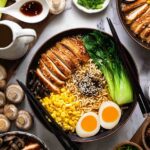
Homemade Chicken Ramen Soup Recipe
- Prep Time: 10 minutes
- Cook Time: 20 minutes
- Total Time: 30 minutes
- Yield: 4 servings
- Category: Main Course
- Method: Stovetop
- Cuisine: American, Asian
Description
This homemade chicken ramen recipe features tender seared chicken thighs, fresh baby bok choy, savory shiitake mushrooms, and perfectly cooked eggs served in a rich chicken broth enhanced with umami dashi powder or miso paste. Easy to prepare on the stovetop, it’s a hearty and comforting bowl perfect for any day.
Ingredients
Main Ingredients
- 2 large baby bok choy cut in half lengthwise, washed very well
- 4 packages instant ramen noodles (flavor packets saved)
- 2 eggs
- 1 tablespoon neutral oil
- 4 boneless skinless chicken thighs, patted dry with excess fat trimmed
- 1 tablespoon ginger, minced or grated
- 1 tablespoon garlic, minced or grated
- 4 fresh shiitake mushrooms, sliced
- 6 cups chicken broth
- 1-3 tablespoons soy sauce to taste
- 1 teaspoon dashi powder or white miso paste (optional)
Toppings
- ½ cup canned corn, drained or cooked fresh corn
- 4 teaspoons sesame seed oil, divided
- 4 teaspoons toasted sesame seeds, divided
- 4 stalks green onion, green parts thinly sliced
Instructions
- Prepare for Serving: Gather 4 large bowls for serving your ramen and set them nearby. Fill a separate bowl with ice water and set it aside for cooling the eggs.
- Blanch Bok Choy: Boil water in a large pot. Blanch the baby bok choy halves for 3 minutes, working in batches if necessary. Remove and set aside.
- Cook Noodles: In the same boiling water, cook the ramen noodles until al dente. Drain and divide the noodles evenly into the prepared bowls.
- Cook Eggs: Using the same pot of boiling water, cook the eggs to desired doneness—8 minutes for a soft yolk or 10 minutes for firmer yolk. Immediately transfer eggs to the ice water bath and gently stir to cool. After 10 minutes, peel and set aside.
- Sear Chicken: Pour out the water from the pot and rinse it. Heat 1 tablespoon of neutral oil over medium-high heat. Season each chicken thigh with the noodle flavor packets, then sear the thighs for 4 minutes per side until fully cooked. Remove chicken and keep warm covered with foil.
- Sauté Aromatics and Mushrooms: In the same pot, add the minced ginger and garlic and sauté until fragrant, about 1 minute. Add the sliced shiitake mushrooms and cook for 2 minutes.
- Make Broth: Deglaze the pot with 6 cups of chicken broth. Add dashi powder or miso paste if using. Cover and simmer until mushrooms are tender, about 5-7 minutes. Adjust seasoning with soy sauce or salt as needed.
- Assemble Bowls: Ladle about 1 ½ cups of hot mushroom broth over the noodles in each bowl. Slice the seared chicken thighs and distribute evenly. Slice eggs in half lengthwise and add one half to each bowl. Add blanched bok choy on top.
- Add Toppings: Garnish each bowl with ⅛ cup corn, 1 teaspoon sesame seed oil, 1 teaspoon toasted sesame seeds, and a sprinkle of sliced green onion. Mix gently before serving and enjoy!
Notes
- Use boneless, skinless chicken thighs for faster and cleaner cooking—bone-in or skin-on parts may cook unevenly and become rubbery in broth.
- Thoroughly wash and cut baby bok choy to remove any dirt or bugs trapped in the leaves, soaking is recommended.
- Dashi powder and miso paste are optional but add great umami flavor. Use dashi for a clearer broth and miso for a richer, milkier broth; using both is ideal.
- Cooking noodles separately ensures perfectly portioned servings and prevents overcooking.
- Seasoning packets can be salty; taste and adjust the amount you use on the chicken thighs accordingly to balance flavor.
- Essential kitchen tools for this recipe include a sharp knife, cutting board, large pot, ladle, and tongs.
Nutrition
- Serving Size: 1 bowl
- Calories: 500 kcal
- Sugar: 4 g
- Sodium: 1200 mg
- Fat: 18 g
- Saturated Fat: 4 g
- Unsaturated Fat: 12 g
- Trans Fat: 0 g
- Carbohydrates: 50 g
- Fiber: 5 g
- Protein: 35 g
- Cholesterol: 155 mg




Leave a Reply